
Resources
Home
/
Resources
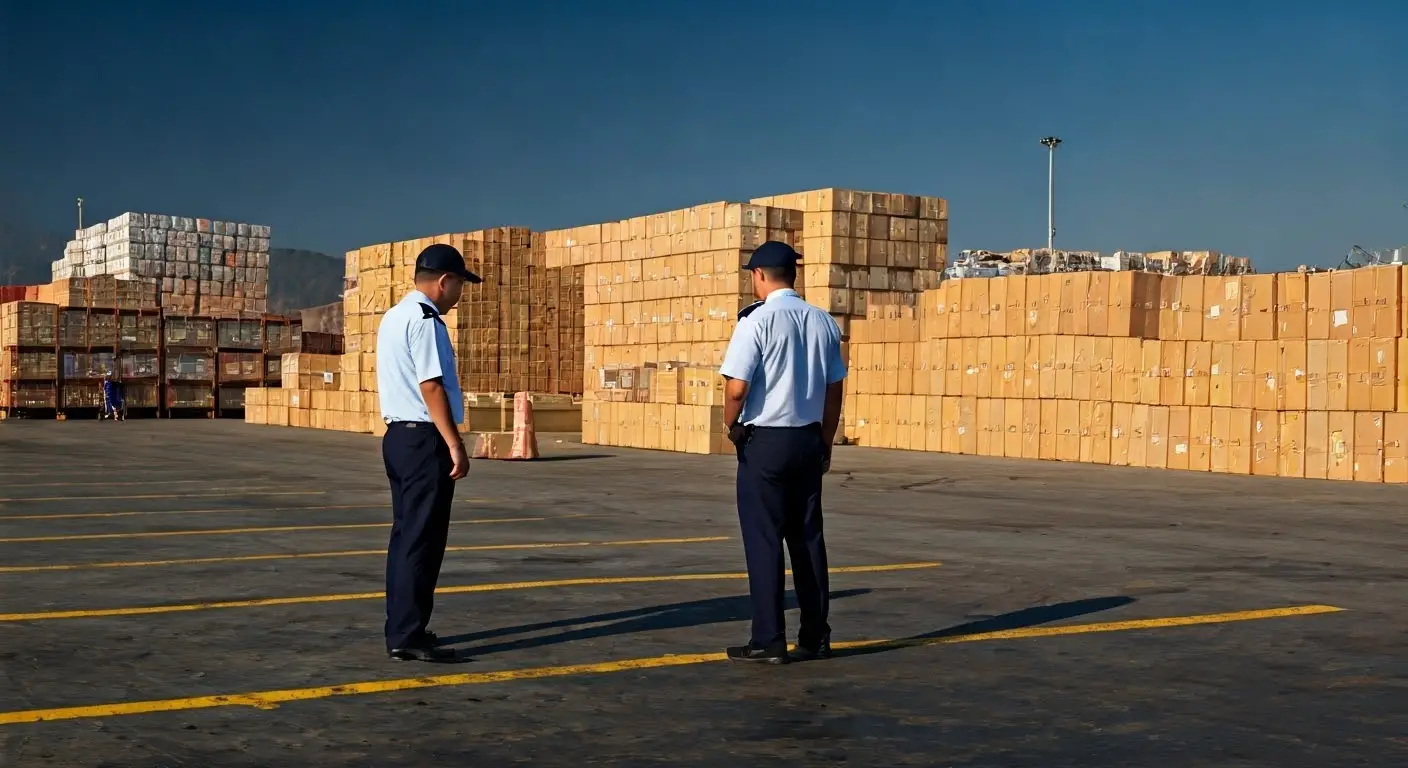
Understanding Cargo Clearance Processes
Learn the essentials of cargo clearance for smooth logistics.
Cargo clearance is a crucial step in the logistics process, ensuring that goods meet all regulatory requirements before entering or exiting a country. This process typically involves documentation verification, payment of duties and taxes, and compliance checks with customs regulations. Efficient cargo clearance minimizes delays and enhances the supply chain's overall reliability. Companies should prepare essential documents like invoices, packing lists, and certificates of origin to facilitate the clearance process. Partnering with experienced logistics providers can further streamline these operations, ensuring timely delivery and compliance, ultimately benefiting businesses engaged in international trade.
Freight Forwarding Explained Simply
Discover the key aspects of freight forwarding services.
Freight forwarding involves organizing the shipment of goods from one destination to another, acting as an intermediary between shippers and carriers. The process includes several vital steps, such as choosing the right transportation mode (air, sea, or land), negotiating freight rates, and preparing necessary shipping documents. Freight forwarders handle logistics complexities, ensuring compliance with shipping regulations, and often provide cargo insurance options for added security. By leveraging their industry knowledge, freight forwarders can help businesses optimize shipping routes and reduce transportation costs, making them an essential partner for reliable supply chain management.
The Importance of Warehousing in Logistics
Explore how warehousing optimizes supply chain efficiency.
Warehousing plays a pivotal role in logistics by providing a designated space for storing goods before distribution. Efficient warehousing practices help businesses manage inventory levels, reduce transportation costs, and streamline order fulfillment processes. Modern warehouses often utilize advanced technology, such as inventory management systems and automated storage solutions, to enhance operational efficiency. Strategic warehousing locations can significantly impact delivery times and customer satisfaction. Additionally, companies can benefit from value-added services such as packaging, labeling, and order assembly within the warehouse environment, further optimizing their supply chain operations.
Comprehensive Cargo Handling Services
Understand the scope of cargo handling in logistics.
Cargo handling encompasses all activities related to the safe and efficient movement of goods within a supply chain. This includes loading and unloading cargo, securing goods during transit, and proper storage techniques to prevent damage. Effective cargo handling is vital to maintaining product integrity and ensuring timely delivery. Various types of cargo handling techniques exist, such as manual handling, mechanical lifting, and the use of specialized equipment for heavy or fragile items. By implementing best practices in cargo handling, businesses can minimize losses and improve overall logistics performance, creating a smoother experience for their customers.
Frequently Asked Questions
What is cargo clearance?
Cargo clearance is the process of ensuring goods comply with customs regulations before import or export.
How does freight forwarding work?
Freight forwarding involves organizing shipments between shippers and carriers, managing logistics and documentation.
Why is warehousing important?
Warehousing provides space to store goods, optimizing inventory management and order fulfillment.
What services are included in cargo handling?
Cargo handling includes loading, unloading, securing, and storing goods safely during transport.
What are the benefits of using a logistics provider?
Logistics providers streamline operations, ensure compliance, and enhance efficiency in the supply chain.
How do I track my shipment?
Most logistics companies offer tracking services via online platforms or customer service channels.
What is the role of customs in logistics?
Customs ensures that goods meet legal requirements for international movement, preventing illegal trade.
How can I ensure timely delivery of goods?
Effective planning, choosing reliable partners, and optimizing routes can help ensure timely deliveries.
What technologies are used in logistics?
Logistics utilizes technologies such as tracking systems, inventory management software, and automated processes.
How do I choose the right logistics provider?
Consider factors like experience, service range, customer reviews, and technology capabilities when choosing a provider.
Get a Quote
Fill out the form to receive personalized logistics solutions tailored to your business needs.
Smartigent logistics Pvt Ltd
Smartigent logistics Pvt Ltd
Dedicated to providing efficient and intelligent logistics solutions for businesses.
Contact Us
+91 9082701585
logisticsmartigent93@gmail.com
15 first floor , Naitik complex, plot no 222, ward 12-B, Gandhidham, kachchh , Gujarat, India - 370201.
Mon – Sat 10.00 am to 6.00 pm
© 2025 Smartigent logistics Pvt Ltd